


 Deutsch
 English
 Español
 Français
 Nederlands
 Português


 Share





At least seven passenger flights across Europe received bomb threats on 3 November 2026, triggering diversions, military escorts and full security sweeps at airports in Poland, Spain, Italy and Bulgaria. No explosives were found on any aircraft, but the coordinated Europe flight bomb threats forced hundreds of passengers to evacuate and briefly closed Warsaw-Modlin airport, according to Dutch broadcaster NOS and other media.
What happened with the Europe flight bomb threats?
The wave of threats began to emerge throughout Tuesday. The most high-profile incident involved a LOT Polish Airlines Boeing 737 MAX 8 operating flight LO286 from London Heathrow to Warsaw, which diverted to Warsaw-Modlin. All 181 passengers and crew were safely evacuated while air traffic was temporarily halted and security teams searched the aircraft. Authorities later found no explosives.
In Spain, a Ryanair flight from Manchester to Murcia made a precautionary landing around 10:30 a.m. at Región de Murcia International Airport. Guardia Civil, national police, fire crews, medical teams and TEDAX bomb-disposal specialists isolated the aircraft. The 114 passengers and seven crew members were screened, and sniffer dogs were deployed. No explosives were found and normal operations resumed.
These incidents are the latest in a broader pattern of European aviation security protocols being tested by malicious threats.
Which flights and airports were affected by the bomb threats?
Authorities in four countries confirmed bomb threats against at least seven flights. A summary of the affected routes includes:
| Country | Airline & route | Response |
|---|---|---|
| Poland | LOT London Heathrow–Warsaw | Diverted to Warsaw-Modlin; airport briefly closed |
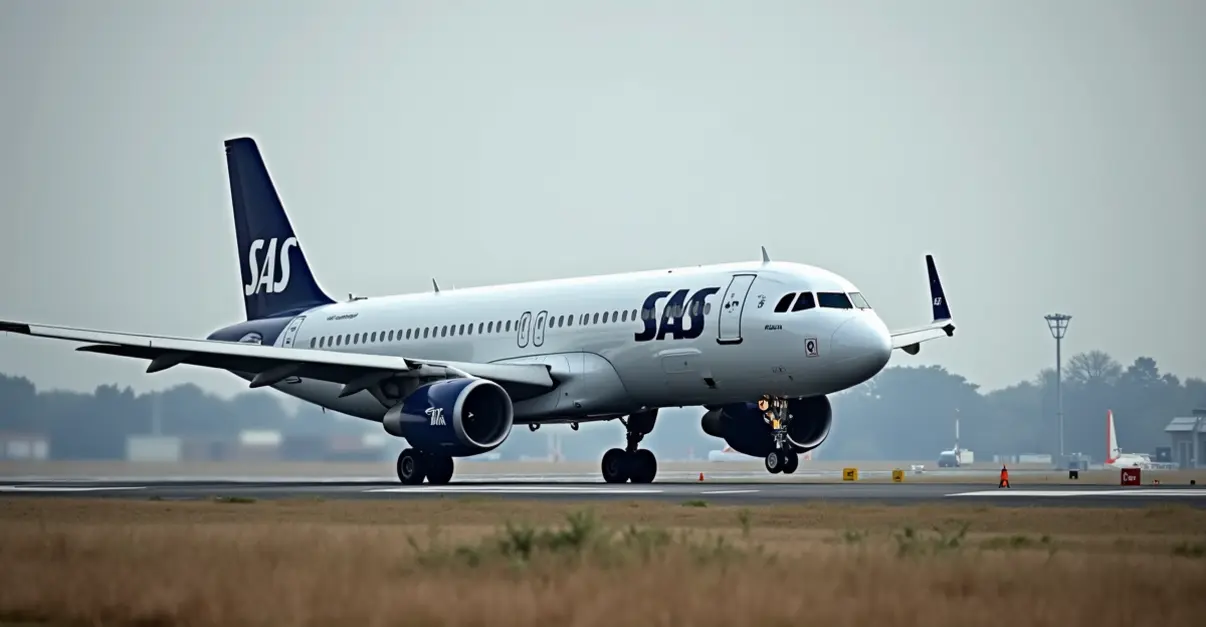
| Poland | SAS Copenhagen–Warsaw | Landed under emergency conditions at Warsaw-Chopin |
| Spain | Ryanair Manchester–Murcia | Precautionary landing; 114 passengers screened |
| Italy | Ryanair Dublin–Rome Fiumicino | Escorted by Italian fighter jets |
| Italy | Ryanair Lisbon–Rome Fiumicino | Searched after anonymous threat |
| Bulgaria | Wizz Air Bergamo–Sofia | Emergency landing; anti-terrorism units searched aircraft |
| Bulgaria | Ryanair Dublin–Sofia | Inspected; no explosives found |
Bulgaria's transport minister Georgi Peev confirmed threats against two Sofia-bound flights. Earlier reports that an aircraft from Israel had also received a threat were later corrected by authorities. Bulgarian officials said the aviation threats were part of a wider series of bomb threats sent to several institutions.
How do authorities respond to airplane bomb threats?
Crews and ground authorities follow detailed procedures to assess the credibility of each threat. If a warning is deemed serious enough, pilots may divert to an alternate airport, as happened in Warsaw. Airport bomb threat response procedures typically involve isolating the aircraft, evacuating passengers, deploying explosive-detection dogs and specialist units, and screening all baggage.
An aviation security expert told the BBC that multiple comparable warnings on the same day across several airlines points to a deliberate act. “It looks like they were made in a credible way,” he said. “That makes me suspect it was a very deliberate action by one perpetrator, rather than a series of random, malicious calls.”
Were the Europe flight bomb threats coordinated?
Officials have not confirmed a single source, but the pattern is unusual. Aviation security analysts note that genuine bomb threats against passenger aircraft are rare, making a cluster of at least seven threats on one day highly suspicious. Downing Street described the incidents as “malicious, non-credible hoaxes”, while investigators in multiple countries continue to trace the origin of the warnings.
The events followed a similar incident on 2 November 2026, when a Wizz Air flight from London Luton to Budapest made an emergency landing after a bomb threat. That aircraft was escorted by a Hungarian fighter jet and later cleared. Authorities have not publicly linked the two days of threats, but the timing has reinforced concerns about coordinated disruption targeting European flight security measures.
Impact on European air travel
Most airports resumed normal operations quickly after searches found no explosives. Warsaw-Modlin airport reopened, Murcia airport resumed regular flights, and Rome Fiumicino continued operations after the two Ryanair aircraft were moved to isolated stands. The Europe flight bomb threats caused delays and evacuations, but no injuries were reported.
FAQ: Europe flight bomb threats
How many flights were affected by bomb threats on 3 November 2026?
At least seven passenger flights were affected across Poland, Spain, Italy and Bulgaria, with one additional threat the previous day involving a Wizz Air flight to Budapest.
Were any explosives found on the flights?
No. Authorities in Spain, Italy, Bulgaria and Poland reported that no explosives or suspicious devices were found on any of the searched aircraft.
Why did the LOT flight divert to Warsaw-Modlin?
The LOT Polish Airlines flight from London Heathrow to Warsaw diverted to Warsaw-Modlin after a credible bomb threat, allowing security teams to isolate and search the aircraft away from the main Warsaw-Chopin terminal.
Was this a terrorist attack?
No evidence of terrorism or an immediate hostile-state link has been reported. Officials described the threats as malicious hoaxes, though investigations into the source are ongoing.





Follow Discussion